Where and when
Where did Ahab gather the people? The Tyndale Open Study Notes on 1 Kings 18:19-20 say Mount Carmel lies on a ridge dividing the coastal plain of Palestine.
Source: Tyndale Open Study Notes · CC BY-SA 4.0
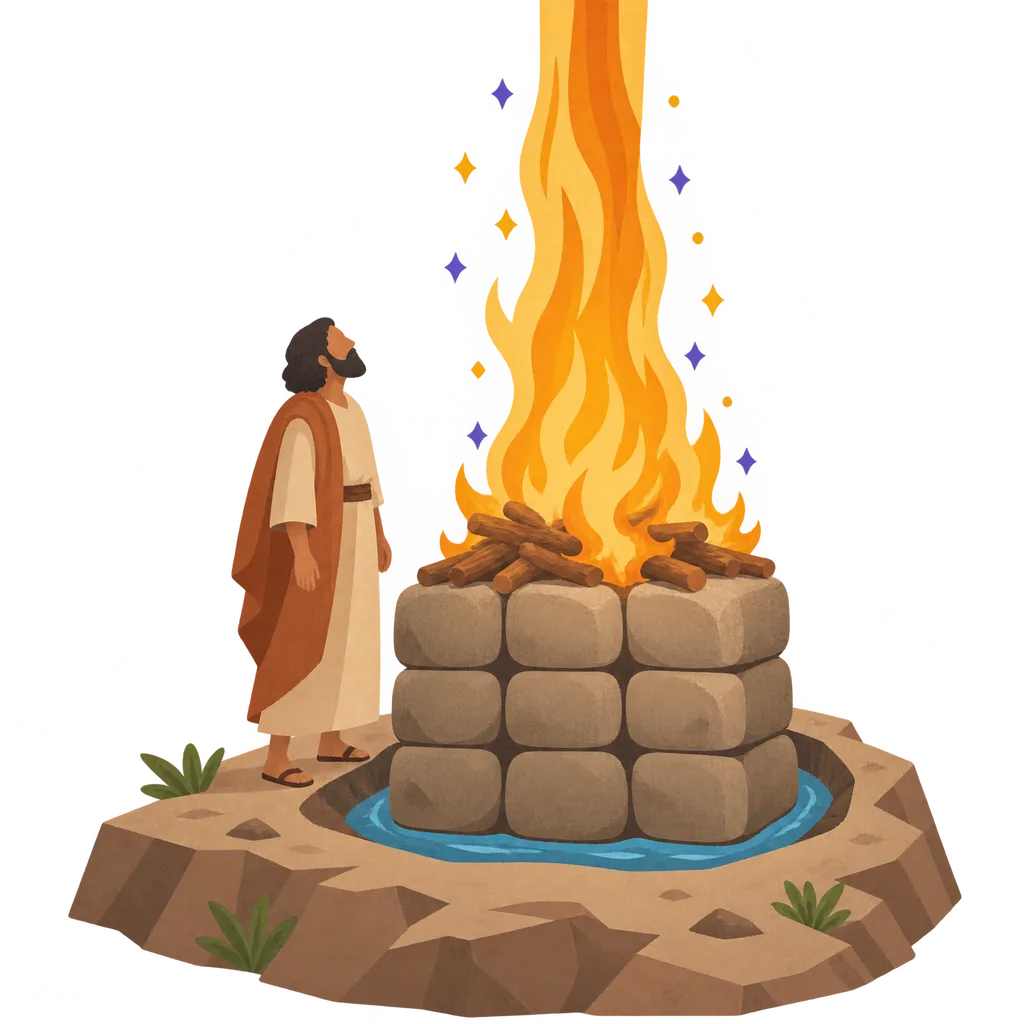
1 Kings 18:20 to 39 tells of a day on a mountain. Elijah asks the people to choose between the LORD and Baal. The prophets of Baal call and nothing answers. Elijah builds an altar, has water poured over it and prays, and the fire of the LORD falls. Read the story in short sentences, then the real verse.
12 words you will really use: they appear in the story and in the exercises, and come back for review in the next stories.
prophet
a person who speaks for a god
noun
voice
the sound a person makes when they speak
noun
way
how someone does something
noun
time
one turn when something happens
noun
follow
to go after someone
verb
under
below something
preposition
answer
to reply when someone calls; the reply is an answer
verb
about
here and there; around
preposition
cut
to divide something with something sharp
verb
near
close; at a short distance
preposition
fall
to go down quickly
verb
even
a word that shows something is surprising; it can also make a word stronger
adverb
The moments of the story, in the order they happen.
Ahab gathers the people on Mount Carmel, and Elijah asks them to choose between the LORD and Baal.
The prophets of Baal call on Baal from morning, but there is no voice and no answer; Elijah mocks them.
Elijah calls the people near, builds an altar with twelve stones, and has water poured over the offering three times.
Elijah prays, the fire of the LORD falls and burns the offering, and the people fall on their faces.
The verse that closes the story, in the World English Bible. After 4 lessons, this is how you read it: the real text, with nothing simplified.
1 Kings 18:21 · WEB
Elijah came near to all the people, and said, “How long will you waver between the two sides? If the LORD is God, follow him; but if Baal, then follow him.” The people didn’t say a word.
One detail about the scene, with the work it comes from.
Where did Ahab gather the people? The Tyndale Open Study Notes on 1 Kings 18:19-20 say Mount Carmel lies on a ridge dividing the coastal plain of Palestine.
Source: Tyndale Open Study Notes · CC BY-SA 4.0
First the whole story, in simple English with audio for every sentence. Then 4 short lessons, each with a piece of the story, a tip and exercises. At the end, the Bible verse and a little celebration.
1 Kings 18:20 to 39, in the World English Bible.
Ahab sends to all the children of Israel and gathers the prophets together on Mount Carmel (1 Kings 18:20).
He asks how long they will waver between the two sides: if the LORD is God, follow him, but if Baal, follow Baal (1 Kings 18:21).
They call from morning even until noon, but there is no voice and nobody answers (1 Kings 18:26).
He tells all the people to come near to him, and they come near (1 Kings 18:30).
They fall on their faces and say that the LORD, he is God (1 Kings 18:39).
Other questions:Do I need to know English?Does Biblup teach doctrine?
More stories from the Old Testament course, in order.
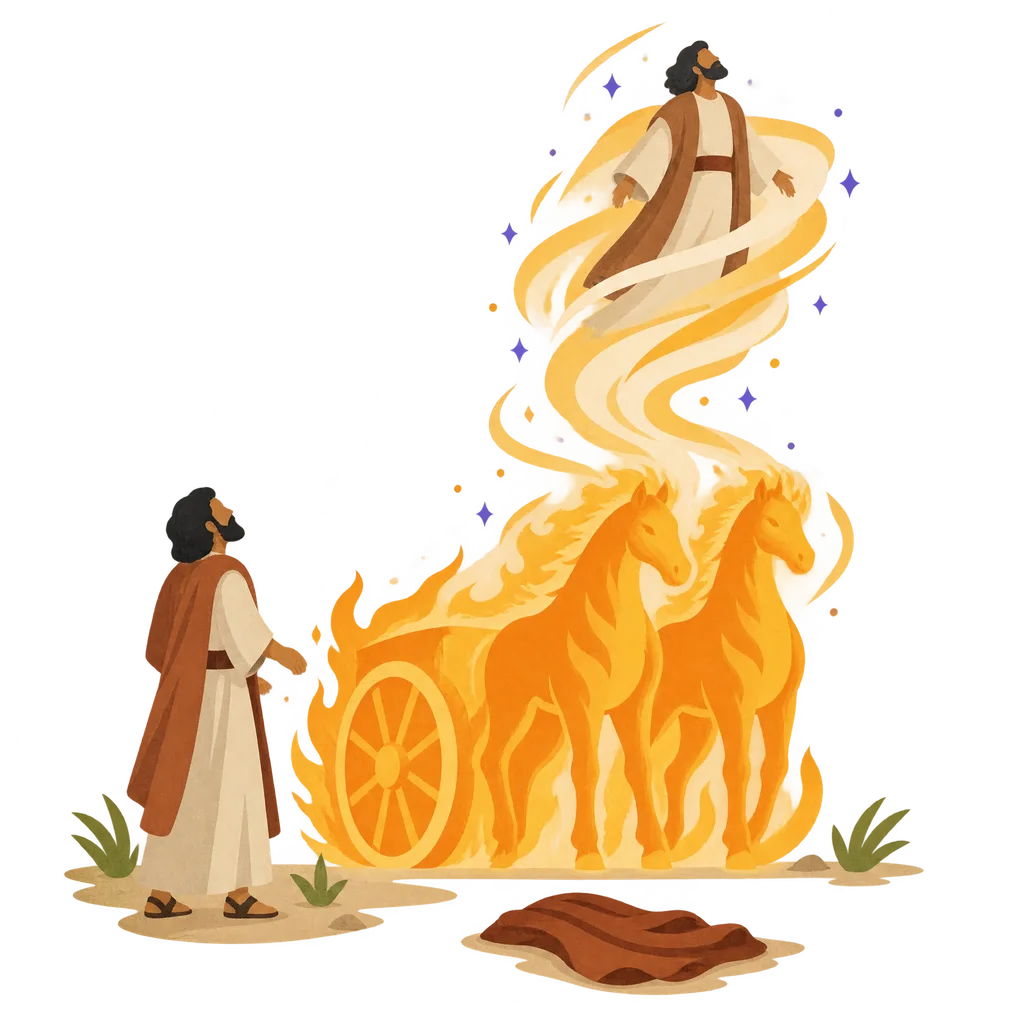
Story 142 Kings 2
A road, a river and a chariot of fire: 2 Kings 2 in simple English.
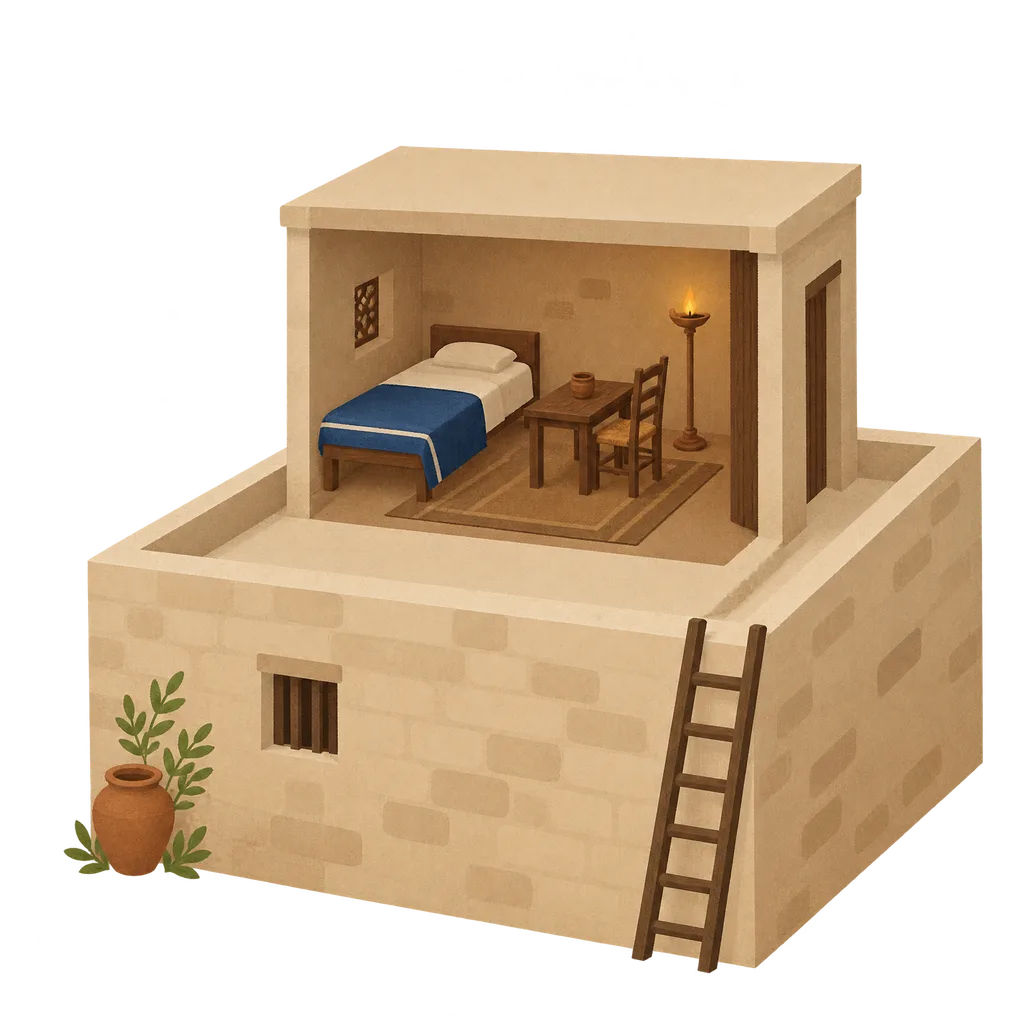
Story 152 Kings 4
A room on the roof, a promised son and the words It is well: 2 Kings 4 in simple English.
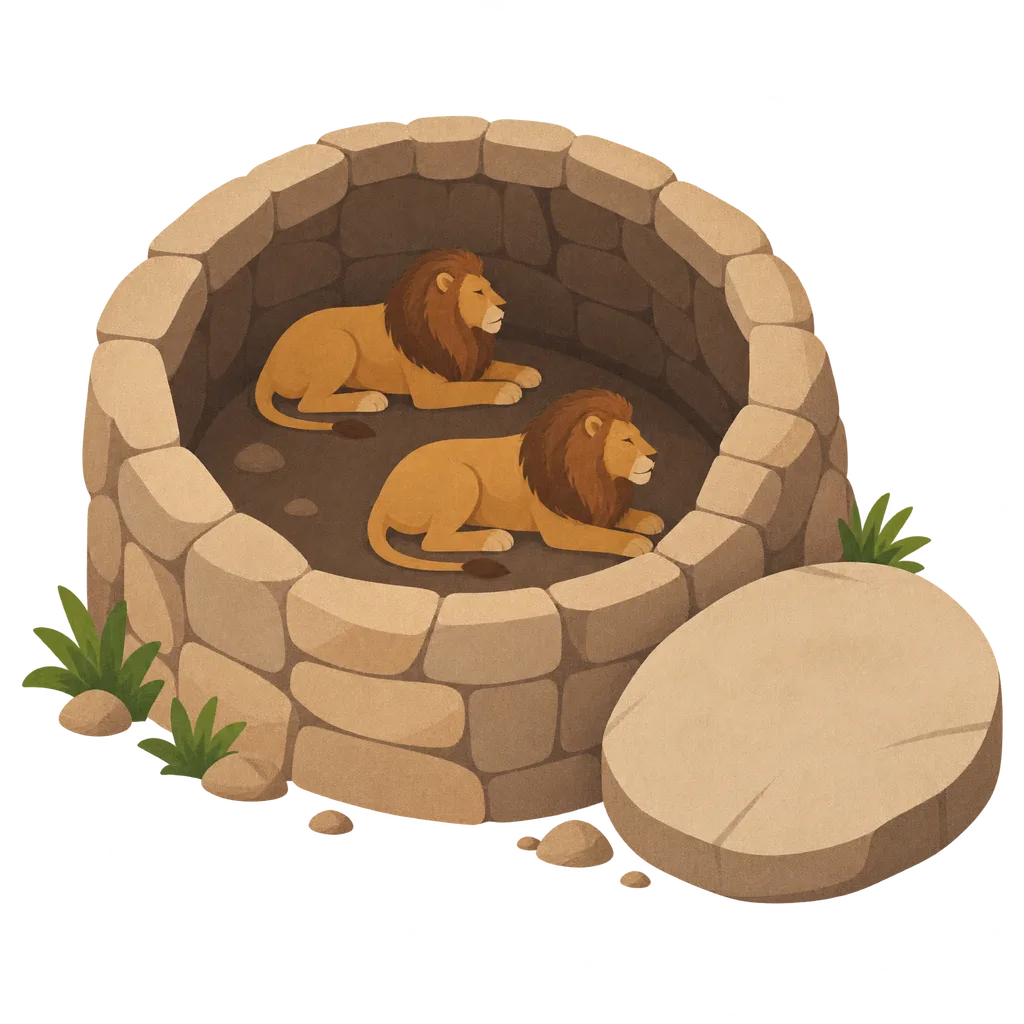
Story 16Daniel 6
Daniel prays three times a day, and a stone closes the den of lions.
19 sentences in simple English, with audio. The first lesson of the course needs no sign-up and no card.
Start this story